
About Brillminds
Brillminds Technologies is a leading provider of web development, digital solutions, cloud services, AI development, and software development. We specialize in delivering innovative IT consulting services to help businesses thrive in the digital age.
Find Us Our Location
- Headquarter: Hyderabad, India
- info@brillminds.com
- (+91) 9014 777 627

Legacy System Modernization
Legacy System Modernization
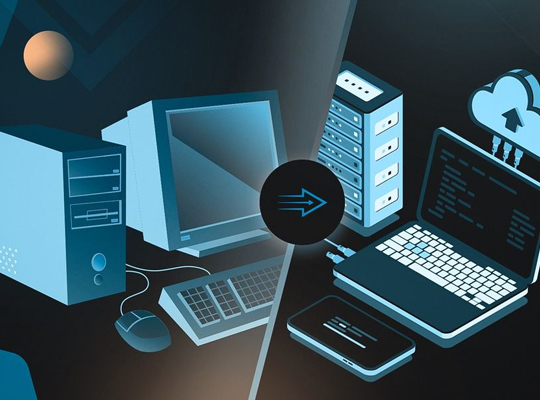
At Brillminds, we help businesses modernize legacy systems to improve efficiency, scalability, and competitiveness. Our modernization solutions enable organizations to replace or upgrade outdated software, integrate with modern technologies, and unlock the full potential of their digital operations.
What We Offer
Modernizing legacy systems to enhance performance, reduce costs, and support digital transformation.
We provide end-to-end legacy system modernization services, including re-platforming, re-architecting, and migrating applications to modern technologies. Our approach ensures minimal disruption, improved performance, and alignment with your business goals.

Application Re-Engineering
Upgrade or refactor legacy applications to modern frameworks and technologies.

Cloud Migration
Move legacy systems to cloud platforms for scalability, flexibility, and cost savings.


Performance Optimization
Enhance system performance, security, and maintainability for long-term reliability.

Why Choose Brillminds?
Your Trusted Modernization Partner
-
Proven Expertise
Extensive experience modernizing legacy systems across industries.
-
Agile Approach
Flexible methodology for phased modernization and minimal disruption.
-
Future-Ready Solutions
Modern systems designed to scale, adapt, and integrate with emerging technologies.
Our Modernization Approach
We start every modernization engagement with a structured assessment -- before recommending an approach or writing a proposal.
Assessment First
A 2-4 week modernization assessment maps your current system, identifies business risks, evaluates the four modernization options (rehost, refactor, replatform, strangle), and produces a roadmap with committed costs.
Zero Business Disruption
We use incremental migration patterns (strangler fig, branch by abstraction) that allow your business to continue operating normally throughout the modernization. No big-bang cutover risks.
Knowledge Transfer Built In
We document business logic, create runbooks, and train your team throughout the project -- not just at handover. You own full understanding of the new system, not just the code.
Frequently Asked Questions
How do you extract business logic from legacy code?
We use a combination of static code analysis tools, runtime behavior testing (black-box testing of the legacy system to document expected outputs), and structured interviews with business stakeholders who understand the original requirements. This produces a business logic inventory that guides the modernization.
Can you modernize a system while it is still in production?
Yes. The strangler fig migration pattern is specifically designed for live production systems. We build the new system alongside the existing one and progressively route traffic to the new system module by module. The legacy system is decommissioned only after each module is validated in production.
What is the biggest risk in legacy modernization?
Knowledge loss. Legacy systems contain years of accumulated business logic that is often undocumented. The most common modernization failure is building a new system that omits critical edge-case behaviour that the legacy system handled. Our assessment phase is specifically designed to surface and document this hidden business logic before migration begins.
How do you handle data migration from legacy databases?
We build dedicated ETL migration pipelines that transform legacy data schemas to new structures, validate data integrity at every step, and enable parallel running (old and new systems reading from a synchronized data layer) during transition. Data migration is tested extensively in staging before any production cutover.
How We Work
Every Brillminds engagement follows a structured process that reduces risk, keeps scope under control, and delivers working software on a committed schedule.
Discovery Sprint
2 weeks. We define scope, architecture, and user journeys, and deliver a fixed-price quote for the full build.
Design
UI/UX design, prototyping, and stakeholder sign-off before engineering begins. Changes in design are cheap; changes after coding is not.
Agile Build
2-week sprints. Working software released at the end of every sprint. Transparent progress, no surprises at the end of the project.
Launch and Support
Deployment, knowledge transfer, and optional post-launch retainer. Full IP transfer at handover. You own everything.
Legacy Systems We Modernise
Brillminds has delivered projects across insurance, banking, manufacturing ERP, government systems, healthcare records, and logistics TMS platforms. Brillminds has delivered modernization projects across complex enterprise systems and critical infrastructure. If you are looking for a trusted engineering partner with proven domain experience, book a free strategy call to discuss your project.
book a free strategy callGet Started Today
Ready to modernize your legacy systems and unlock new business opportunities? Contact Brillminds to discuss your modernization strategy. Let’s transform your legacy systems into agile, future-ready platforms!